A speckle test that did not want to dry.
Too much thickness on the base coat, too aggressive a ramp. The surface held up but the texture flattened under heat. Note for next time: thinner first pass, hold at 140 for longer before climbing.
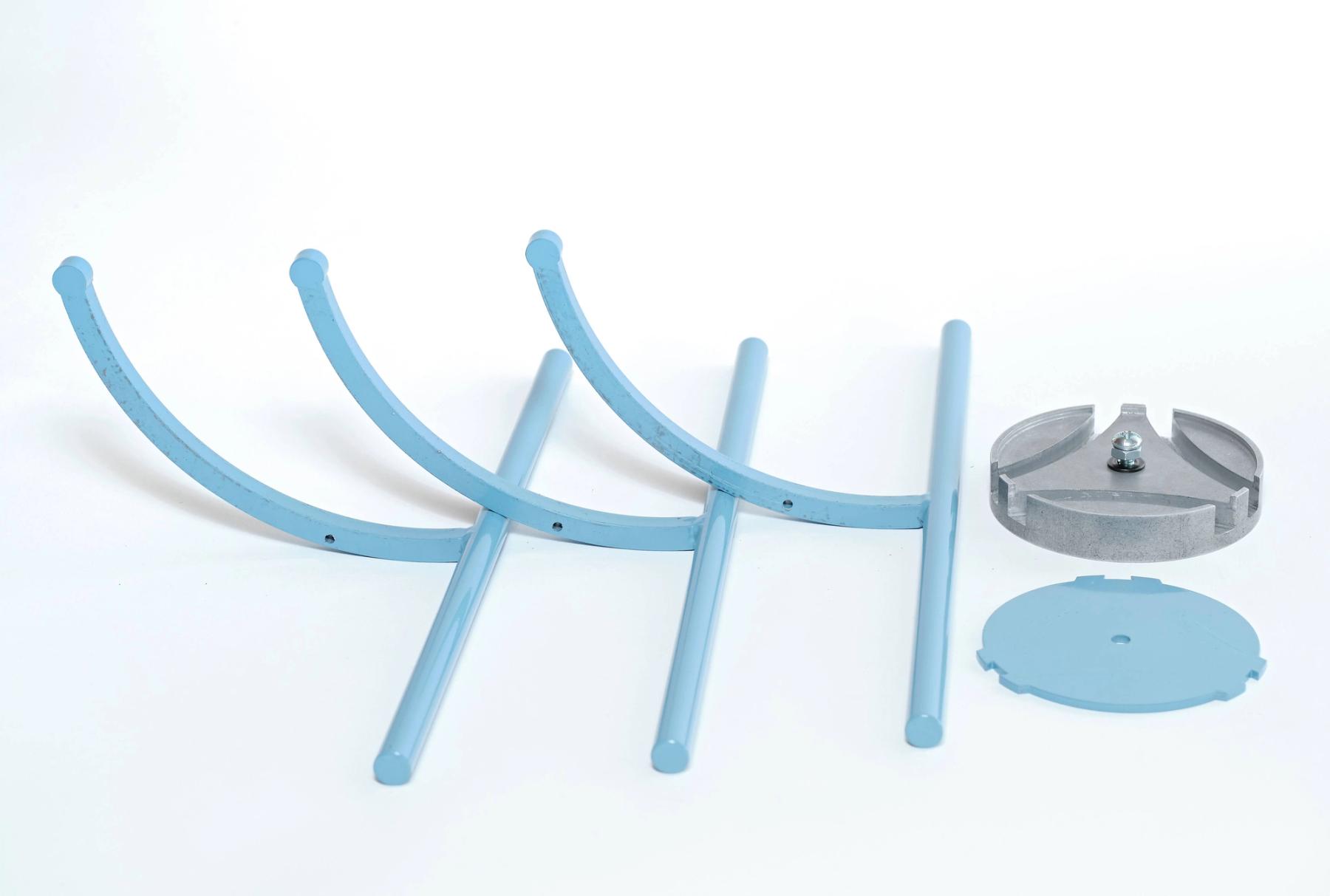
The idea started clean enough. A speckle layer over a matte base, cured together, no second pass. I had seen it done on a furniture piece in Portland and could not stop thinking about how the speckle seemed to float in the surface instead of sitting on top of it. The guess was that the speckle was going in wet, melting into the base during cure, and coming out as part of the same film.
The first panel came out of the oven looking correct. Pulled, cooled, handled. The speckle sat where it belonged. But twenty minutes later, under good light, the texture had flattened. Not runny. Just softer than it should have been, like the top layer had kept curing after I took it out and closed itself up.
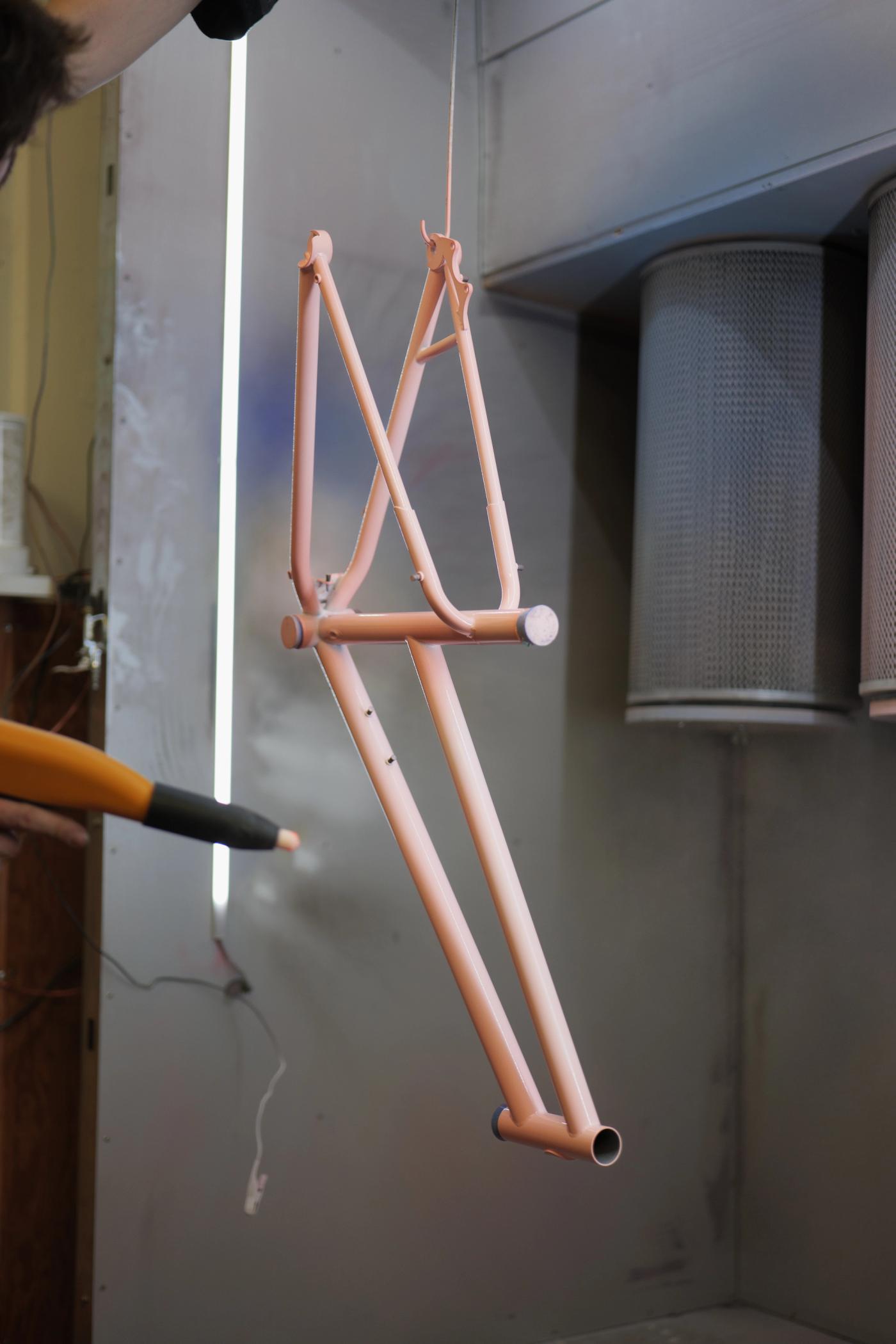
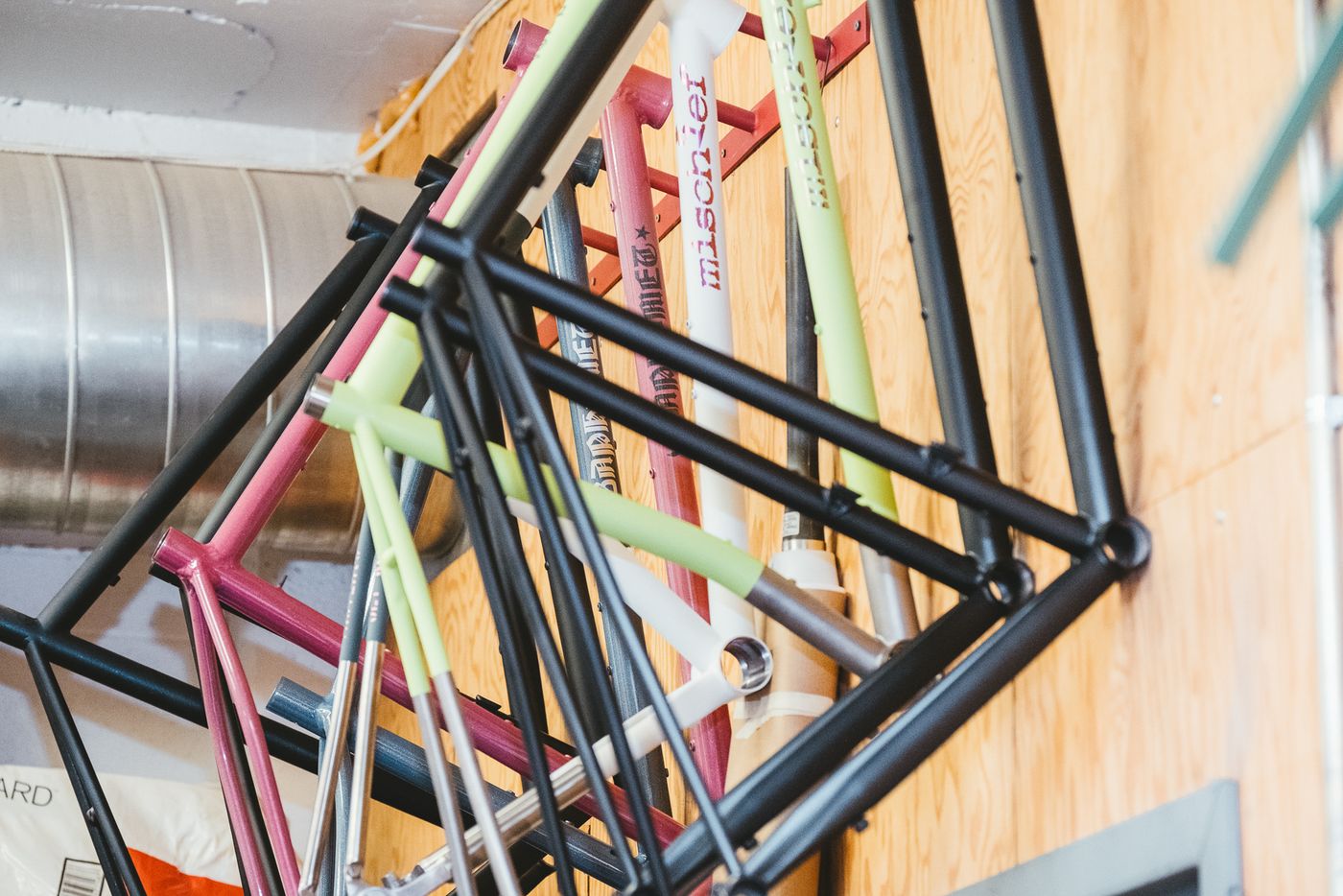
I ran three more panels with variations. Thinner base, thinner speckle, shorter hold at the top of the ramp. The best one was also the most boring one, which is usually what this kind of work teaches you. The second best was the one I thought would fail completely, which is also usually what this kind of work teaches you.
The reason it matters at all is that a speckle is one of those finishes that is either great or looks like a mistake. There is not much middle ground. It either has movement and you want to keep looking at it, or it has fuzz and you want to look away. Getting the texture to hold post-cure is most of the game.
It either has movement, or it has fuzz. There is not much middle ground.
Notes for the next round, before I forget.
Thinner base coat. I was running about 3 mils. Drop to 2 mils and see what happens. The base is not the show.
Slower ramp. Instead of climbing to 160 fast, hold at 140 for five minutes first. Give the speckle time to plant before the base finishes curing. Theory only. Test this next.
Pull cooler. Twenty-six minutes instead of thirty-two. The texture was holding fine at that point. It lost the plot sitting in residual heat.
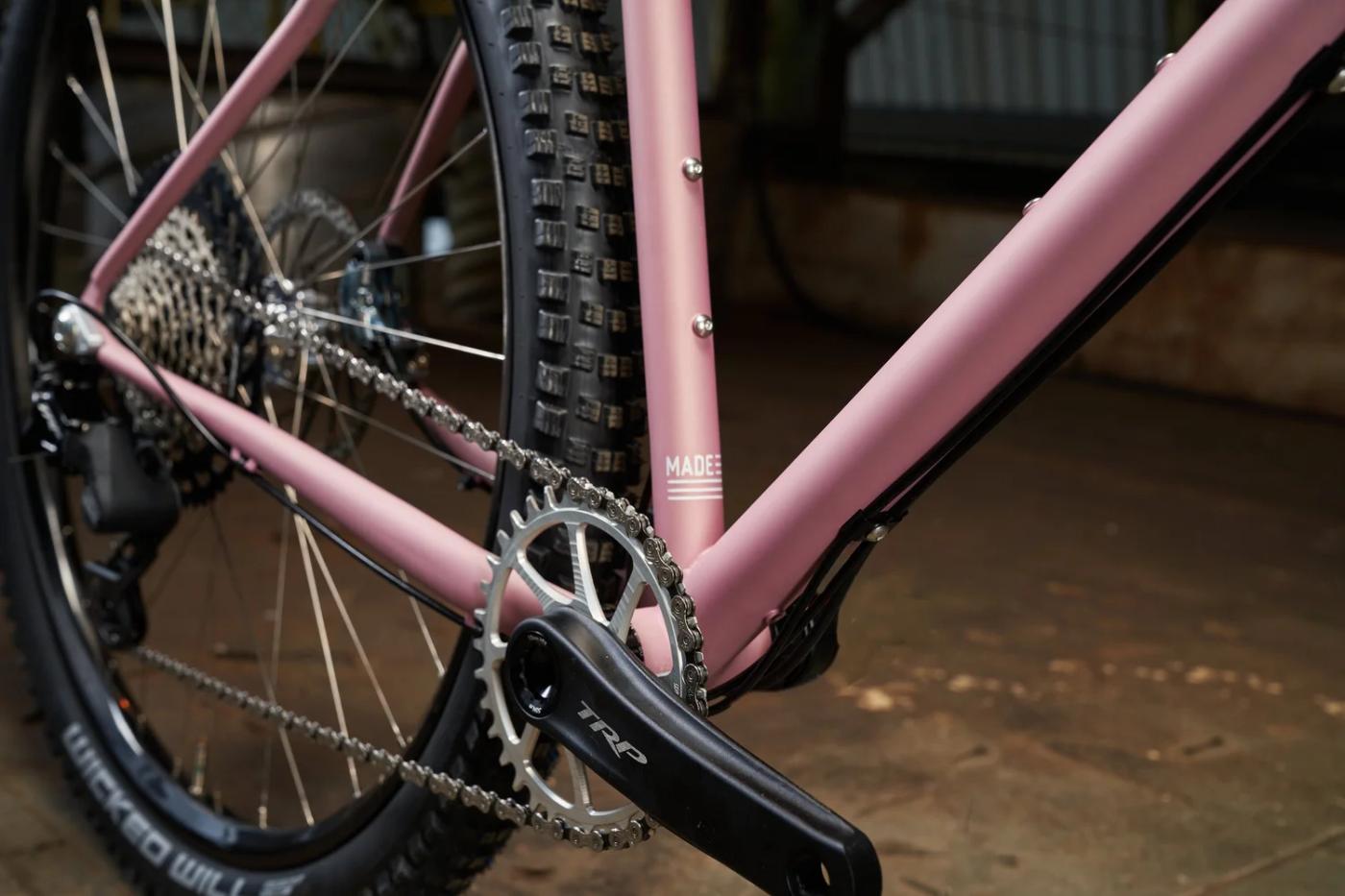
Next week I will try the slow ramp. If that works, it becomes a method. If it does not, it becomes a story about why the method from Portland only works when someone else is doing it, which is also fine.
One of the better parts of running a studio alone is that failures do not have to explain themselves to anyone. They just get written down, and then later they get tried again.